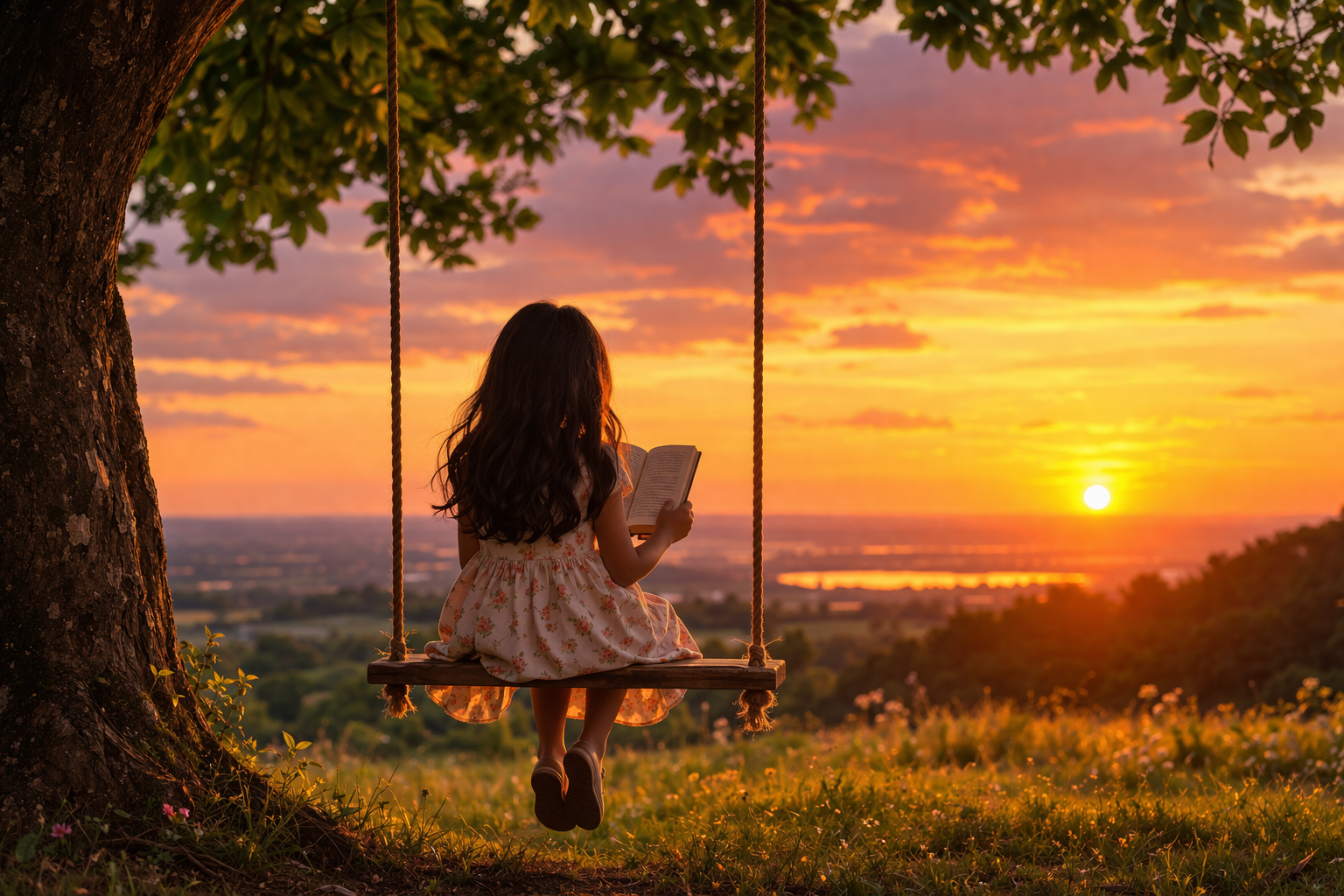
I grew up devouring stories—sometimes two books in a single day. At recess, in the car, at the dinner table, before school, before bed. I was hungry for words and worlds, and books became the place I felt most alive. They shaped how I saw the world, how I imagined it could be, and who I would eventually become.
Worlds That Opened My Imagination
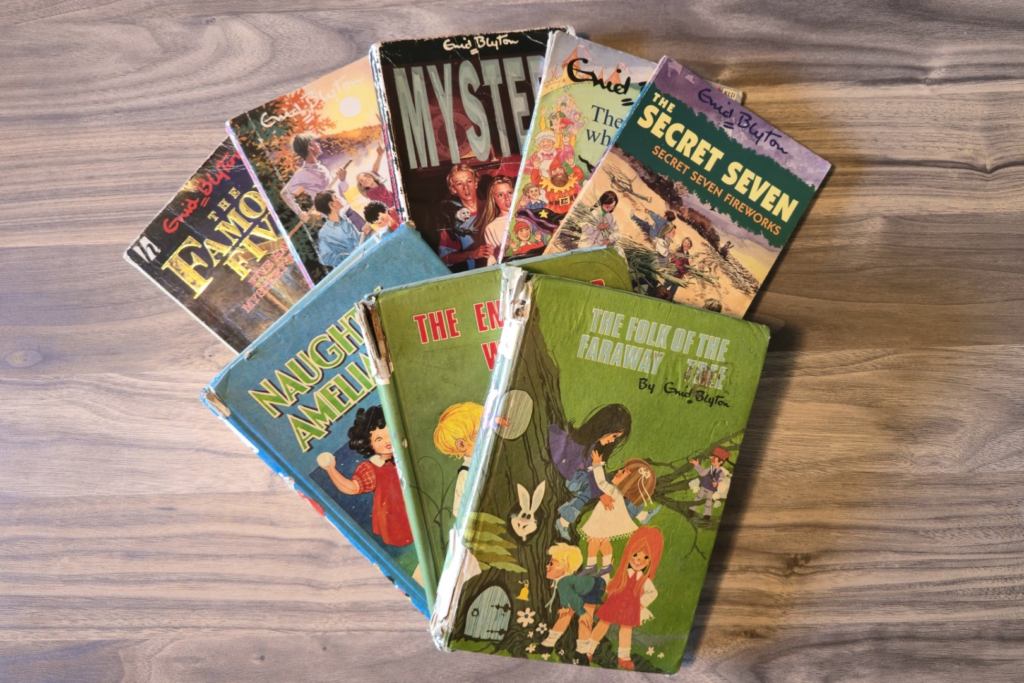
Some of the earliest stories that captured me were the fantasy worlds in Enid Blyton’s The Enchanted Wood and The Magic Faraway Tree. I returned to them again and again, climbing those impossible branches into lands that shifted with every visit.
Later, I found adventure in The Famous Five and The Secret Seven, where mystery lived just beneath the surface of ordinary life—on quiet beaches, through wooded paths, down village lanes. Those stories taught me something I didn’t yet have words for: that wonder is not rare. It waits, often quietly, in familiar places.
But I didn’t only linger in children’s worlds. I read everything I could get my hands on—from comics to science fiction by Arthur C. Clarke, to classics like Metamorphosis and Anna Karenina. I delved into mythology from every corner of the globe, fascinated by how cultures, though often separated by society or geography, share stories, archetypes, and truths that echo across time. Each book, each myth, became a thread in the tapestry of how I imagined the world and the stories I would one day write.
Books became the worlds where I first learned to step beyond the familiar.
Among these many worlds, certain stories stood out for their shadows, their strangeness, and the lessons hidden within darkness.
Fairy Tales and the Shape of Darkness
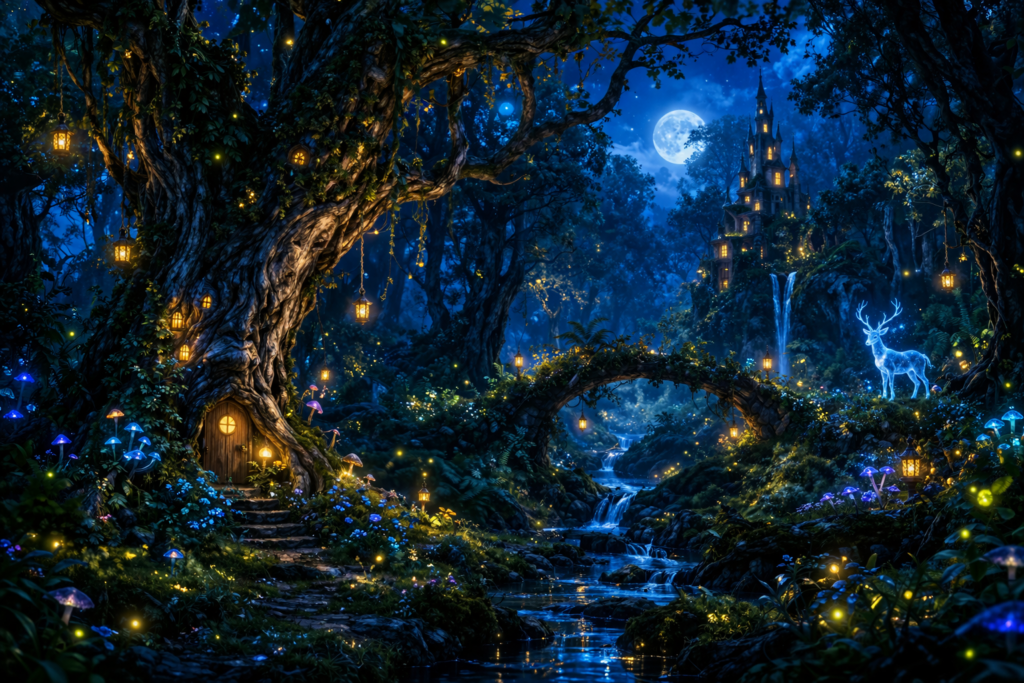
Among these many worlds, certain folk tales left a lasting mark—Grimm’s Fairy Tales and Andersen’s Fairy Tales. The Grimms’ stories were dark, strange, and sometimes unsettling—but always threaded with meaning. Andersen’s tales, while sometimes gentler, carried an emotional weight that lingered: longing, loss, hope, and quiet courage.
I didn’t have the language for it then, but these stories taught me that beauty and danger often coexist. That fear is not something to be avoided, but something to move through. That courage is not the absence of fear, but what you choose in spite of it.
Wonder in the Mundane
Those childhood stories reshaped how I experienced everyday life.
A train ride wasn’t just a commute, it was a beginning.
A walk through the woods carried the weight of possibility.
Ordinary moments shimmered if I allowed my imagination to breathe.
Mystery, Observation, and the Art of Noticing
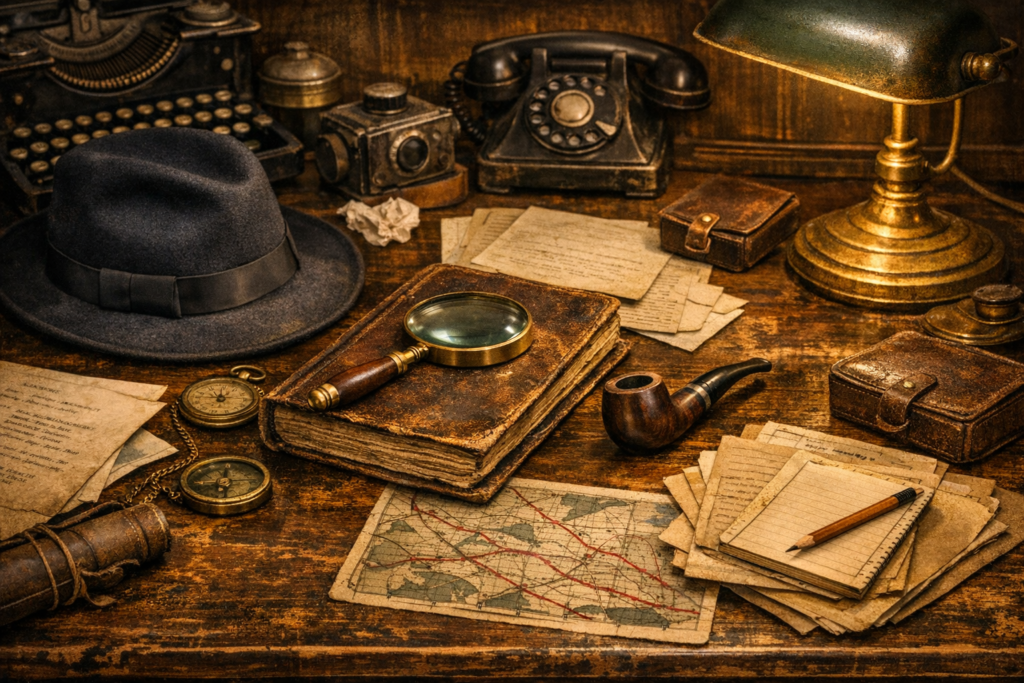
Sherlock Holmes was a series I returned to long before I fully understood it. As a child, I thought his pipe was simply something adults did—like reading the newspaper or drinking coffee. Only later did I begin to understand the deeper layers beneath it.
That’s the nature of stories we grow up with—they reveal more as we change.
Holmes sharpened something in me. A way of observing. Of questioning. Of piecing things together. That instinct—to notice what others might overlook—never left me. I feel it even now, not just in writing, but in everything I do.
The Habits That Grew from Stories
Those early stories did not stay contained within their pages.
The sense of adventure carried forward—quietly at first, then with intention. A willingness to step into the unknown, to take risks without guarantees, to follow curiosity even when the path was unclear.
And alongside it, something else took root. A habit of observation. Of asking questions. Of working through problems piece by piece until something hidden revealed itself.
I didn’t recognize it then, but those instincts would shape far more than what I read. They would shape how I moved through the world, how I approached challenges, followed curiosity, and carved my own paths in the world.
Why Childhood Stories Matter
As adults, we often talk about the books that shaped us. Less often do we consider how deeply they molded how we think.
Stories encountered early in life do more than entertain. They become part of the internal framework through which we understand the world.
They teach us what bravery looks like before we ever face fear.
They introduce wonder before we learn cynicism.
They give us language for emotions we don’t yet know how to name.
They plant something lasting—curiosity, empathy, imagination, resilience—long before we realize we will need those things.
And because we return to them at different stages of life, they grow alongside us. A story read at seven is not the same story read at seventeen or thirty-seven. The text remains unchanged, but we do not. And so, the meaning evolves.
I didn’t realize it then, but those early stories were quietly shaping the way I would move through the world.
Think of the worlds that shaped you—books, films, or games that opened doors you didn’t know you were ready to enter. We all carry those answers forward.
What Those Worlds Gave Me
Looking back, I can trace what those early stories left behind:
- A sense of wonder in the natural world
- A belief in the quiet bravery of humans
- A yearning for adventure and embracing curiosity
- A fascination with mystery and unraveling truth
- An instinct toward observation and deduction
- A conviction that the world is larger, stranger, and more layered than it first appears
These were the worlds that held me, shaped me, and taught me how to see.
And in many ways, they are the reason I write today—still chasing that feeling of stepping into a story that doesn’t just entertain, but transforms. The instincts first nurtured in those pages—adventure, curiosity, observation—now guide the worlds I build and the stories I choose to tell.